Showing 13–24 of 25 articles tagged AI Architecture
AI Product BuildingDeep dive
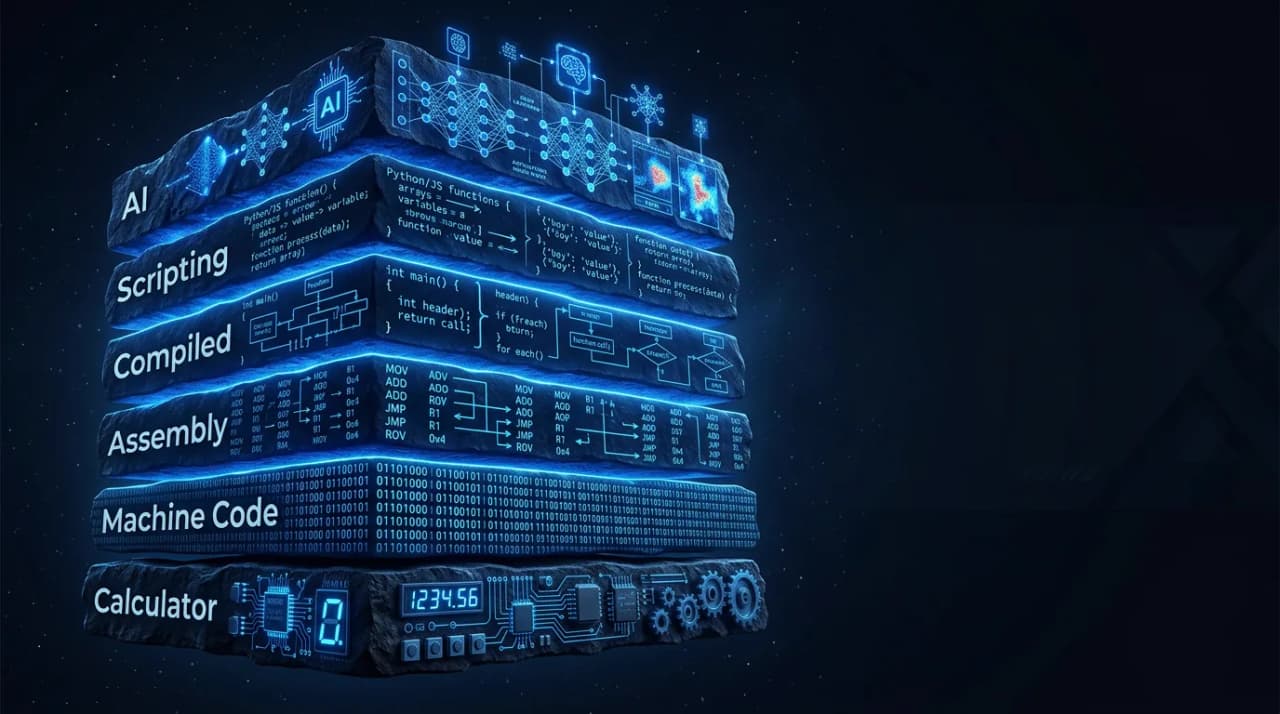
AI Didn't Kill Coding. It Killed Typing.
AI coding is the sixth abstraction layer in 80 years. Every previous layer was dismissed as not real programming by the practitioners of the one below.
11 Feb10 min read
Read →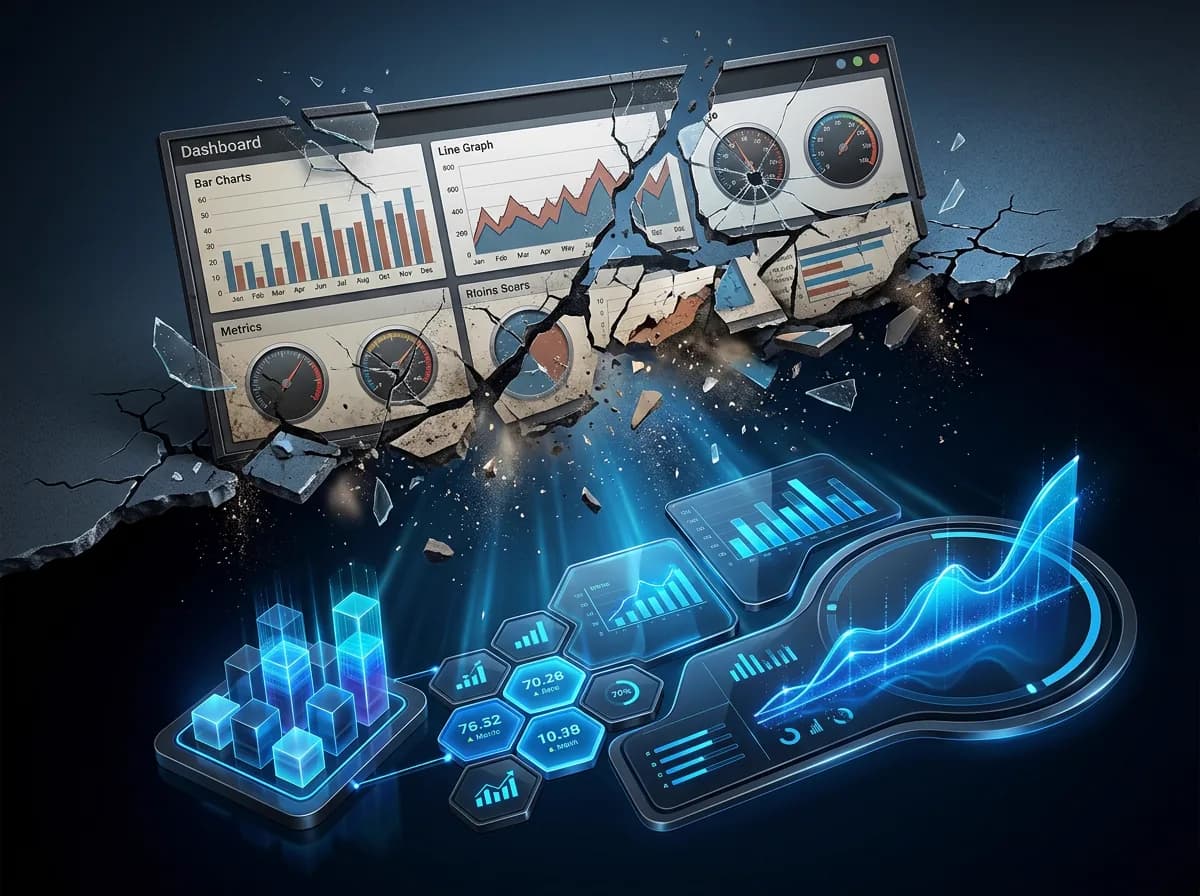
AI Product BuildingDeep dive
How to Measure an AI Product (When Traditional Metrics Lie)
DAU, time-in-app, and NPS were built for a world where humans do the work. AI products need different metrics. A framework for what to measure and why.
9 Feb10 min read
Read →
AI Product Building
The Bitter Lesson Kills Your Orchestration Layer
Scaffolding gives you 10-20% gains that the next model wipes out. The bitter lesson for product builders: give the model tools and a goal, not a workflow.
6 Feb8 min read
Read →
AI Product Building
The Winning Agent Had No Better Model. It Got Shit Done.
Weekend build to 145K GitHub stars to acquisition in weeks. The pattern: agents that execute locally instead of chatting in a browser window win on adoption.
30 Jan9 min read
Read →
AI Product Building
Build for the Model That Doesn't Exist Yet
Your AI product market fit depends on a model that has not shipped yet. Build your product architecture for the capability curve, not today's snapshot.
28 Jan9 min read
Read →
Industry & MarketsDeep dive
Voice Agent Playbook: What Production Would Require
What I learned from prototyping voice reception for service businesses, and the latency, authority and handoff work required before production.
26 Jan10 min read
Read →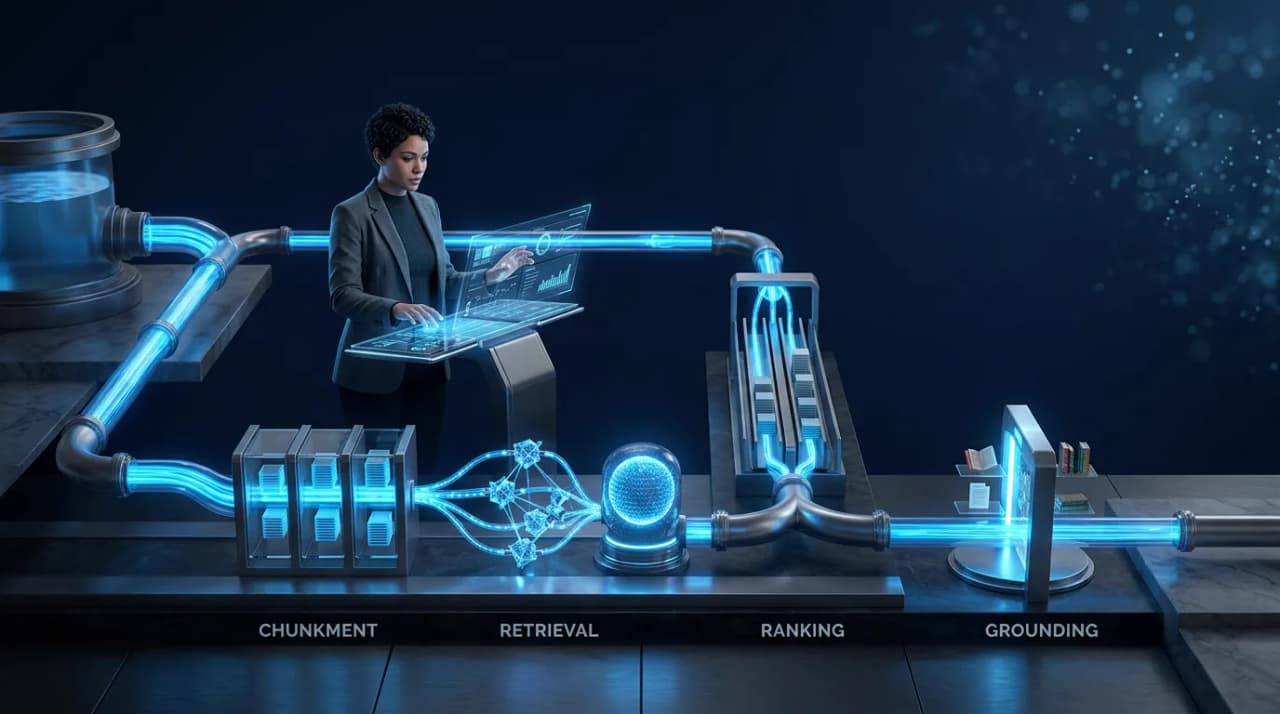
AI Product BuildingDeep dive
Your RAG Pipeline Is a Product Decision, Not an Engineering One
Chunking, retrieval, and grounding are not engineering details. They are product decisions that determine whether your AI feature helps or hallucinates.
21 Jan10 min read
Read →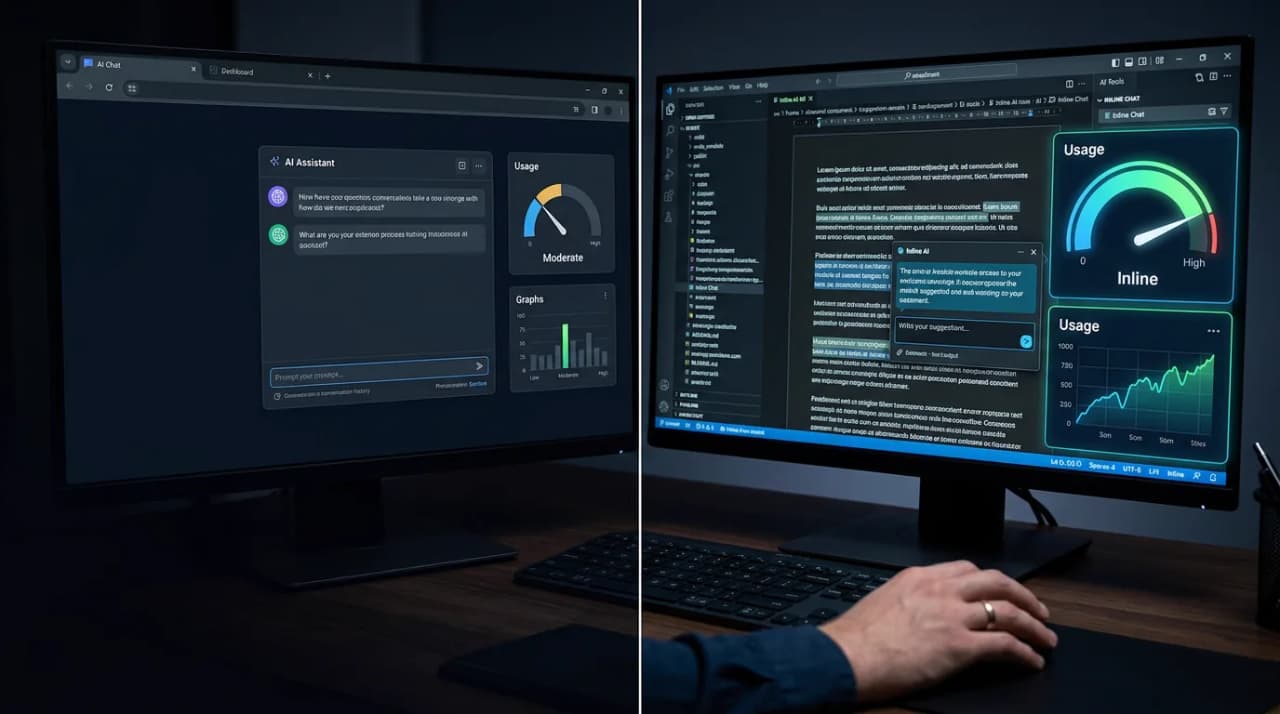
AI Product BuildingDeep dive
The AI Usage Gap Is a Product Architecture Problem
Most AI tools are deployed but unused. The friction isn't capability. AI lives in a separate tab instead of where work happens. Build inline, not destination.
12 Jan11 min read
Read →
AI Product BuildingDeep dive
Your Agent Evals Are Vibes. Here's How to Make Them Infrastructure.
Most teams evaluate agents with manual chats and gut feel. A practical framework for eval suites that let you ship, starting with 20 examples, not 20,000.
5 Jan13 min read
Read →
AI Product Building
The 2,500% Audit Tax: The Math That Will Kill Your Multi-Agent P&L
A manager model checking every worker output increases unit cost by 2,500%. The fix: a spot-check architecture that can save 75% of your token margin.
24 Dec9 min read
Read →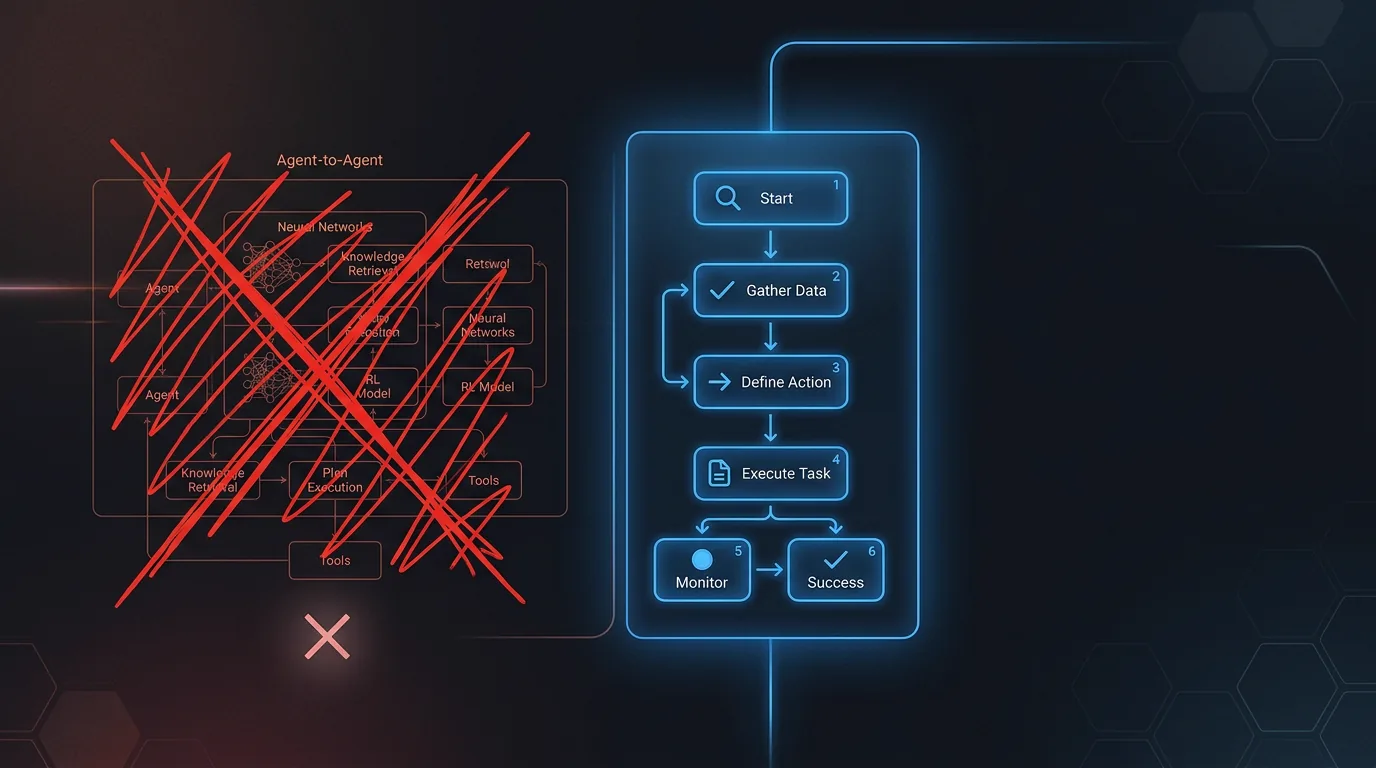
AI Product Building
Stop Building AI Agents. Start Building SOPs Wrapped in Code.
A 5-step agent at 95% accuracy per step is only 77% reliable. The path forward isn't better agents, it's narrower ones. Three rules for workflows that ship.
15 Dec9 min read
Read →
AI Product Building
Stop Picking Winners in the Model Race. Build the Router Instead.
Building for a single model is technical debt with a short shelf life. The winning strategy is orchestration, evals, and governance, not leaderboard loyalty.
8 Dec8 min read
Read →