Showing 1–12 of 25 articles tagged AI Architecture

AI Strategy & BuildingDeep dive
Platform Engineering Is Becoming Agent Operations
Agentic AI changes developer experience: platform engineering now owns context, guardrails, telemetry, evals, and agent-ready golden paths.
7 July12 min read
Read →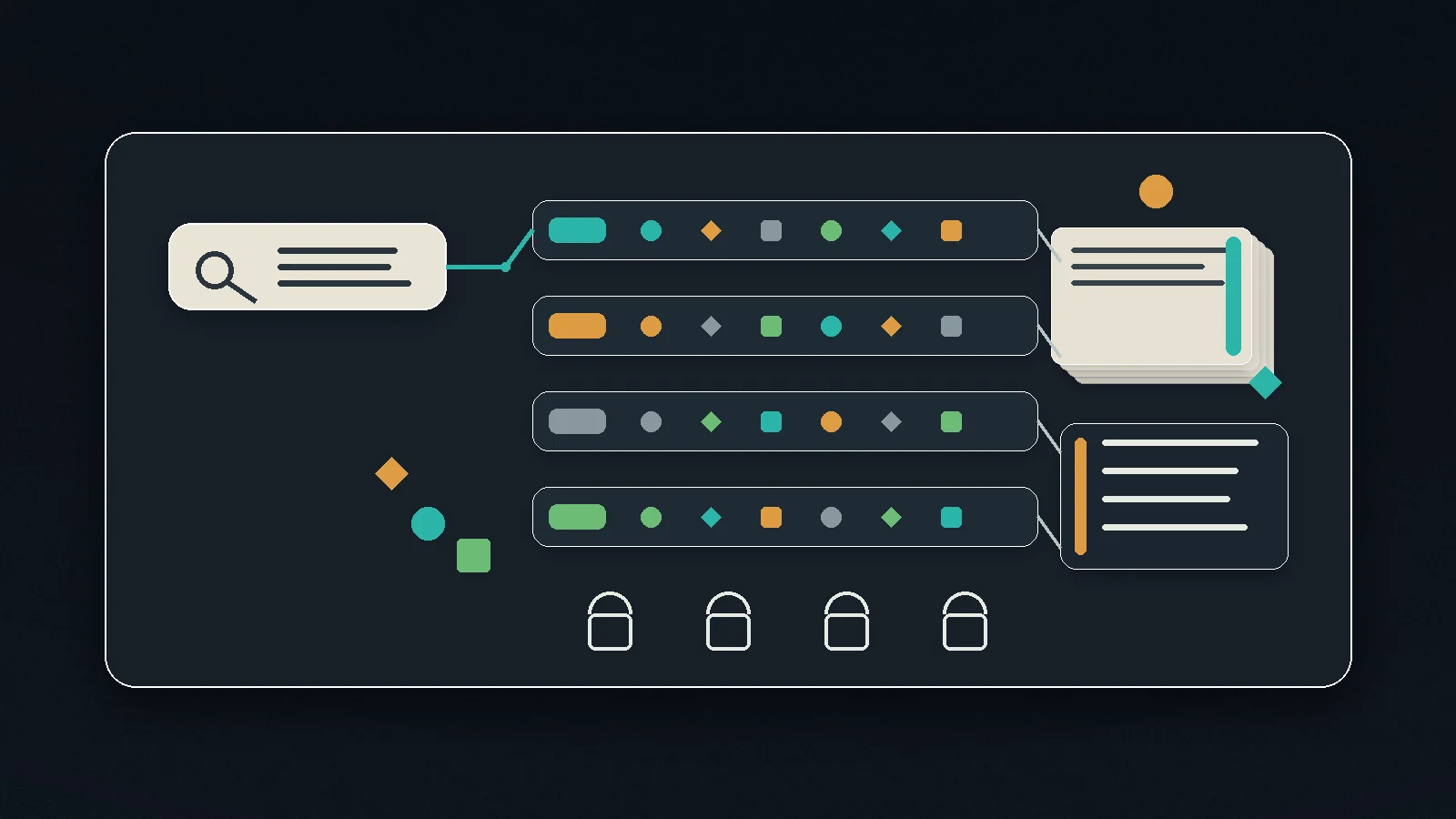
AI Product BuildingDeep dive
AI Search Is a Product Architecture, Not a Search Feature
AI search is hybrid retrieval, grounded answers, evidence UX, and action. Build the answer contract before choosing vendors.
19 June17 min read
Read →
AI Product BuildingDeep dive
Agent-Ready Platforms Will Beat Browser-Only SaaS
An agent-ready platform works for humans and browser agents: stable actions, permissions, observability, and UX that survives automation.
7 June22 min read
Read →
AI Product BuildingDeep dive
Voice AI Guardrails for Australia Belong Outside the Model
Voice AI guardrails for Australia: privacy, call recording, offshore storage, tool gates, cost controls, and build-vs-buy checks.
4 June43 min read
Read →
Industry & Markets
Physical AI Is Leaving the Browser
Digital agents were the first act. Physical AI is the next product frontier: robots, sensors, factories, vehicles, and supply chains.
28 May9 min read
Read →
AI Product Building
AI Software Quality Needs a Factory Again
AI software quality is a production discipline. Code got cheap, but review, evals, rollback, and observability did not.
22 May8 min read
Read →
AI Strategy & BuildingDeep dive
AI Is a Five-Layer Cake. Pick the Slice That Keeps Paying.
Energy, chips, systems, models, applications. Every layer matters. Only one pays compounding returns. A framework for picking yours.
29 Apr11 min read
Read →
AI Product BuildingDeep dive
AI Chat Security Is Still Too Easy to Jailbreak
Current AI chat security best practices: prompt injection testing, external guardrails, action boundaries, and defence in depth.
24 Apr19 min read
Read →
AI Product BuildingQuick read
The Ticket Is the New Prompt
Chat is the wrong interface for AI agents in professional software work. A well-written issue is a better agent instruction than any prompt.
1 Apr5 min read
Read →
AI Strategy & BuildingDeep dive
Agentic AI Security: Why 97% Detection Is a Failing Grade
A 97% attack detection rate sounds fine until an agentic system has tool access, private data, and a path to action. Then it is a breach rate.
23 Mar10 min read
Read →
AI Product Building
Tests Pass. Does It Think?
When AI writes the code, green CI isn't enough. The new discipline is understanding and defending the choices the model made — not just the ones you made.
2 Mar8 min read
Read →
AI Product Building
Fred Brooks Is Dead. Rewrite the Damn Thing.
The 'never rewrite' doctrine was based on rewrite cost. AI has collapsed that cost to days. Pre-launch rewrites are now a product strategy, not a failure.
23 Feb7 min read
Read →