Showing 1–12 of 54 articles tagged AI Product Strategy

AI Strategy & BuildingDeep dive
AI-Native Organisations Rebuild the Work
AI-native organisations rebuild context, tools, review loops and leadership cadence around AI. Chatbot access is not transformation.
10 July15 min read
Read →
AI Strategy & BuildingDeep dive
Platform Engineering Is Becoming Agent Operations
Agentic AI changes developer experience: platform engineering now owns context, guardrails, telemetry, evals, and agent-ready golden paths.
7 July12 min read
Read →
AI Product BuildingDeep dive
AI Search Is a Product Architecture, Not a Search Feature
AI search is hybrid retrieval, grounded answers, evidence UX, and action. Build the answer contract before choosing vendors.
19 June17 min read
Read →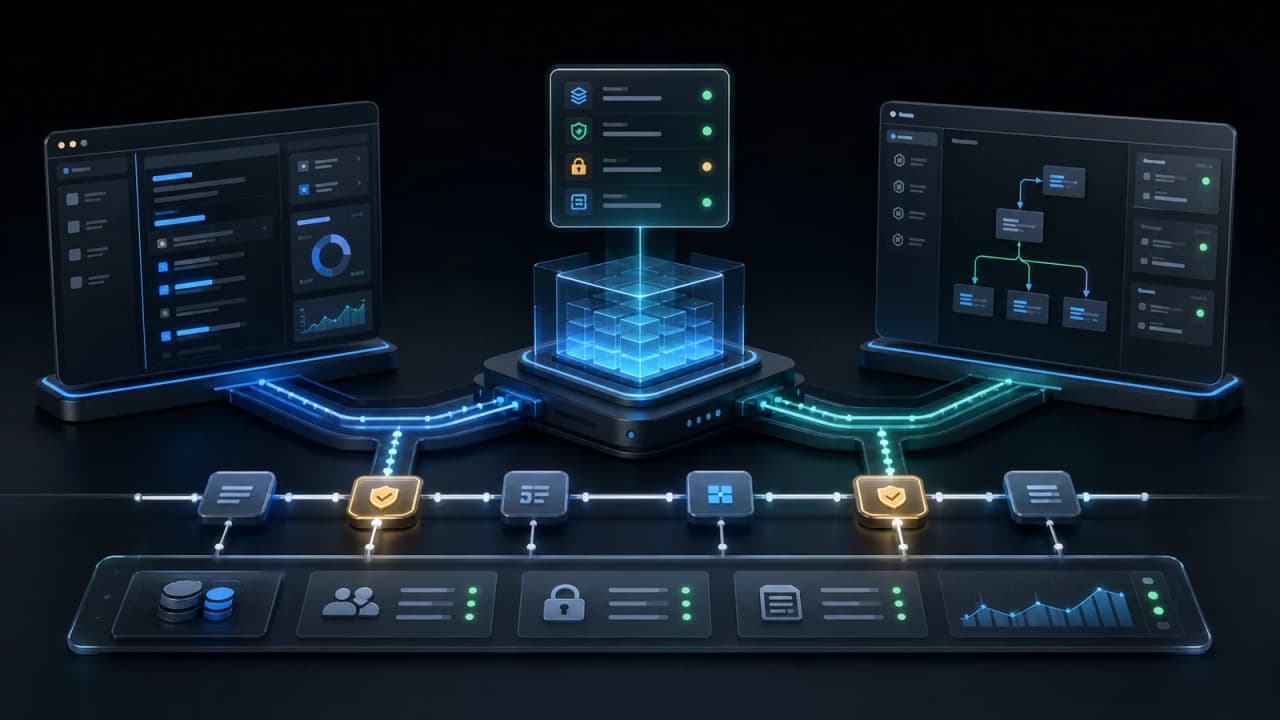
AI Product BuildingDeep dive
Agent-Ready Platforms Will Beat Browser-Only SaaS
An agent-ready platform works for humans and browser agents: stable actions, permissions, observability, and UX that survives automation.
7 June22 min read
Read →
AI Product BuildingDeep dive
Voice AI Guardrails for Australia Belong Outside the Model
Voice AI guardrails for Australia: privacy, call recording, offshore storage, tool gates, cost controls, and build-vs-buy checks.
4 June43 min read
Read →
Industry & Markets
Physical AI Is Leaving the Browser
Digital agents were the first act. Physical AI is the next product frontier: robots, sensors, factories, vehicles, and supply chains.
28 May9 min read
Read →
AI Product Building
Your AI Strategy Needs Jobs To Be Done, Not a Thousand Agents
Agent strategy starts with the work customers need done. Without that map, you are just automating organisational noise.
25 May9 min read
Read →
AI Strategy & BuildingDeep dive
ClickUp's 100x Organisation Is a Review Problem
ClickUp's 100x organisation memo gets the bottleneck right but the strategy wrong: AI-native teams are built around review, not cuts.
22 May13 min read
Read →
AI Product Building
AI Software Quality Needs a Factory Again
AI software quality is a production discipline. Code got cheap, but review, evals, rollback, and observability did not.
22 May8 min read
Read →
Industry & MarketsDeep dive
The Next Industry to Get Product Management Is Yours
Product management is escaping tech. HVAC companies, PE portfolios, regional banks, and schools are about to hire their first PM. The discipline is leaving.
15 May15 min read
Read →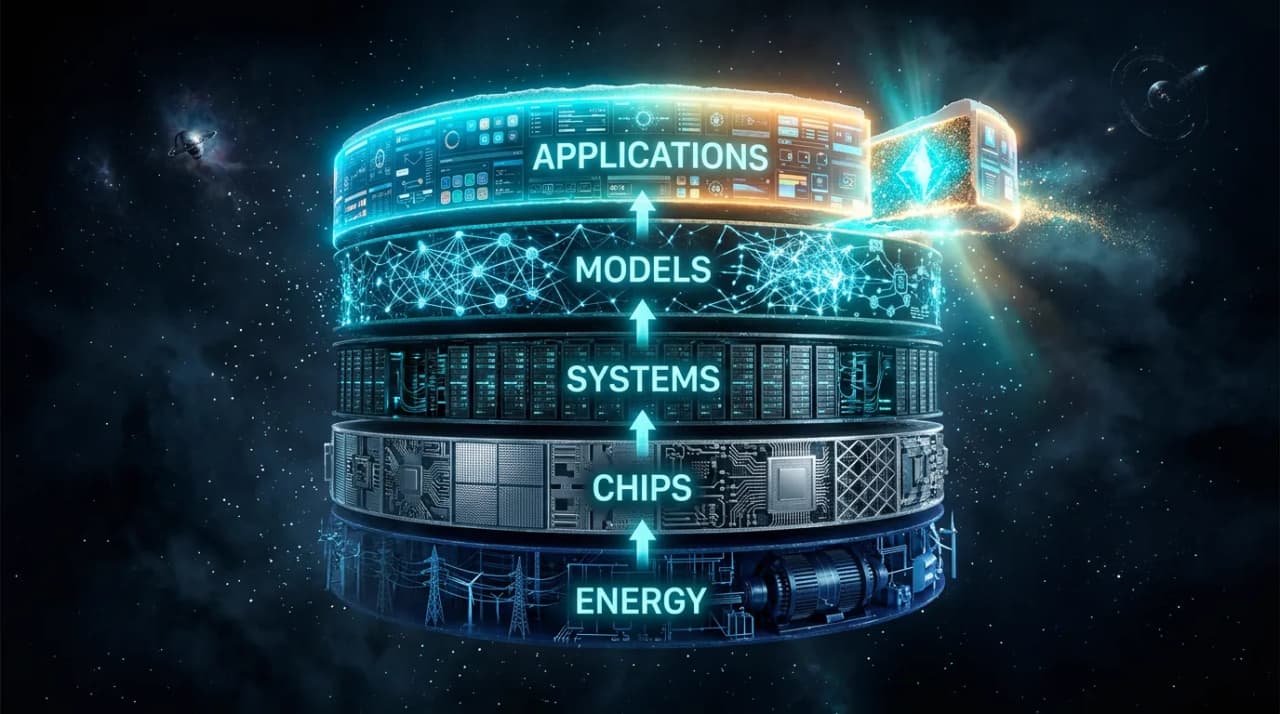
AI Strategy & BuildingDeep dive
AI Is a Five-Layer Cake. Pick the Slice That Keeps Paying.
Energy, chips, systems, models, applications. Every layer matters. Only one pays compounding returns. A framework for picking yours.
29 Apr11 min read
Read →
Industry & MarketsDeep dive
Agents Are the Heaviest SaaS Users You'll Ever Onboard
Every useful agent becomes a power user of the SaaS underneath it. Install base explodes, API calls multiply, workflow gets more essential, not less.
27 Apr10 min read
Read →